

Introduction
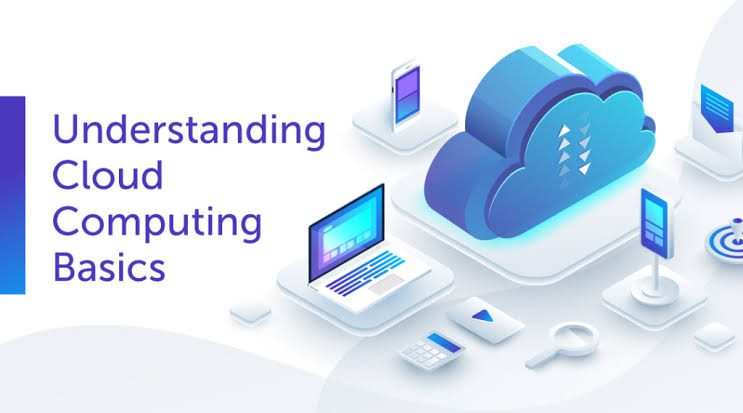
The term Cloud Computing indicates new technologies through which consumers and businesses can access, store, and control their data over the Internet.
This eliminates the need for local computing by moving the entire file, data storage, and application management process to Cloud providers’ servers. Users can lease computing power, software, and storage space from companies such as Amazon Web Services (AWS), Microsoft Azure, and Google Cloud, similar to renting a physical space.
As a user, you can access your data and software from anywhere, without the need to configure, install or maintain hardware and software.
As a business owner, you are able to leverage the benefits associated with using the Cloud: flexibility, scalability, cost-saving since you only pay for the services used in the Cloud, and the ability to share documents with others while working remotely.
The use of Cloud Computing has enabled businesses of all sizes to efficiently manage their resources and has transformed everyday technology consumers into Cloud Computing Users.
Meaning of Cloud Computing
Cloud computing is a method of accessing a wide variety of computer usage specifically via the internet. Cloud computing allows users to connect through the internet to use computer services without having to own and operate their own hardware.
Users have the option to rent cloud infrastructure based on their computing needs. Additionally, these services provide the user with the ability to perform many computing functions, including but not limited to storing and accessing files, operating programs, and hosting websites.
The primary benefits of cloud computing are: (a) scaling up resources (Cloud services can expand, or downsize, as necessary), (b) paying based on consumption (Users only pay for the amount of resources they consume), (c) interoperability (Users can seamlessly access resources from many devices) and (d) reliability and availability (Cloud providers generally back up their data and provide high levels of availability).
Cloud computing essentially simplifies how individuals and companies interact with technology and makes technology easier for both.
Types of Cloud Services
Cloud Computing delivers several types of services to satisfy the needs of customers, with the three primary types being Infrastructure as a Service (IaaS), Platform as a Service (PaaS), and Software as a Service (SaaS).
Infrastructure as a Service (IaaS) – IaaS provides the ability to provide virtualized computing using the internet; and includes such things as servers, storage, and networking equipment (rented) that can be used by companies, instead of having to buy the necessary physical equipment. The client has control over the operating system, application(s) and storage; while the IaaS Provider is responsible for the operational portion of the Virtualized Infrastructure.
Examples of IaaS include: Amazon Web Services (AWS) EC2, Microsoft Azure, and Google Compute Engine.
Platform as a Service (PaaS) – PaaS provides a complete Development and Testing Solutions to the developer(s) without the need for them to be concerned about the underlying physical infrastructure or software component(s). In addition, PaaS products typically provide developers with Development Tools, Database Management, and the ability to Host Applications. Examples of PaaS include: Google App Engine, Microsoft Azure App service and Heroku.
Software as a Service (SaaS) – SaaS is a complete, Fully Functional Software Application, which is hosted on the provider’s Infrastructure, and allows users to access and use it via the Internet with a Web Browser. All aspects of the SaaS product (Infrastructure, Updates, and Security) are controlled by the SaaS Provider.
Examples of SaaS products include: Google Workspace, Microsoft Office 365, Dropbox and Zoom.
Advantages of Cloud
Cloud computing has many advantages and is a must-have technology for both companies and individuals. One of the biggest advantages is saving money because there is no need to buy expensive hardware to house your servers (which are typically located in a building) and keep them maintained.
You only pay for what you actually use instead of spending a bunch of money upfront to buy the hardware, and you don’t have any ongoing maintenance costs.
Another advantage is scalability. Because cloud services can be expanded and contracted depending on how many users need more resources or fewer resources, they make it easy for companies to increase or decrease capacity as the demand increases or decreases.
For example, you can add extra storage or processing capabilities to your application quickly with little or no delay.
Accessibility and flexibility are also big reasons cloud computing is so popular today. Cloud computing lets you access your data (and run your application) from anywhere in the world using any internet-connected device, allowing remote workers to work from anywhere. This also improves collaboration between team members and makes it easy to share data across teams.
There are other advantages to cloud computing, such as automatic updates; all of the software used in the cloud will always be up to date because the providers take care of all the updates and security patches for you, data backup and disaster recovery, and high reliability (most vendors offer many redundant data centers).
Overall, cloud computing can increase efficiency, lower costs, improve collaboration, and enable both companies and people to use the best technology without huge capital and technical investment.
Common Cloud Examples
The rise of cloud computing has made it a major part of the day-to-day lives of individuals by giving users access to an enormous number of applications and cloud services that they can use daily.
Google Drive is one of these applications; it allows users to store, share and create editable documents, slides and spreadsheets all over the Internet.
Dropbox is another cloud-based application that allows users to access files from multiple devices through file synchronization via the Internet.
Within business environments, Microsoft Office 365 offers productivity solutions that can be accessed, edited and saved anywhere.
These products – Microsoft Word, Microsoft Excel and Microsoft Outlook – have made it possible for individuals to work productively using Cloud solutions on any device.
As an example of cloud applications that allow for seamless interaction and communication, Zoom and Google Meet are examples of the ability to easily conduct video conferencing and work collaboratively online, without needing to install complicated software.
For software developers, cloud computing platforms like Amazon Web Services (AWS) and Microsoft Azure provide all the tools and services necessary to create websites, host applications and manage databases as needed, all powered by cloud computing.
Additionally, several popular social media sites like Facebook, Instagram, and TikTok leverage the power of cloud technology to store large quantities of their users’ personal information, while also providing fast, reliable and easily accessible content.
The above demonstrates how cloud computing has quickly grown beyond just being a tool for IT professionals to use, and become an essential part of daily life for everyday individuals, their employers and businesses, alike.
The ability to promote productivity through Cloud-based storage and technology is an attractive proposition, and ultimately demonstrates the power and versatility of cloud technology in today’s society.
Security Basics
Cloud computing involves storing data and applications on remote servers instead of local devices, making security a significant concern. Cloud providers put many different security measures in place to help protect customers’ information. Knowing these measures will help you understand how to keep your own, and your customers‘ data safe.
One of the first things to understand is data encryption; this converts the information that is being stored or sent over the internet into a code that no one else can read. Only people who are authorized to get into the system can decrypt the encrypted information.
Another key aspect of security is access control; this provides administrators with the ability to give out permissions to users and restrict access to sensitive information from everyone else. Implementing strong passwords, using multi-factor authentication (MFA) and having a system set up to monitor user accounts regularly will also help keep your system more secure.
Network security is imperative as well, as people access cloud services through the internet. Firewalls, intrusion detection systems, and secure connections (HTTPS) protect your data and applications from cyberattacks.
Data backups and disaster recovery plans should be in place to recover your documents when they are accidentally deleted or lost in a server crash or subject to cyber threats.
Although cloud providers handle a large portion of security for you, it is also important that you keep up with security best practices to protect yourself and your customers.
You must constantly update your systems and monitor for unusual activity. Also, making sure that only authorized personnel have access to your data and applications is critical to maintaining the integrity of your data and your company’s reputation.
Don’t miss this related post:
How the Internet Works Step by Step easily
What Is Cyber Security and Why It Matters
5 Internet Mistakes That Risk Your Security
Cloud Computing 101: Understanding the Basics and Benefits by

Conclusion
The introduction of cloud computing has created a completely new way to utilize technology. Users can now access and manage their own data, software applications, and computer hardware via the Internet whenever they need it.
The advantages of Cloud Computing include lower hardware costs; the ability to scale up as you grow and attract more users; and greater ability to work from anywhere, creating opportunities for collaboration and flexibility.
Cloud Providers provide three main types of services: Infrastructure as a Service (IaaS), Platform as a Service (PaaS), and Software as a Service (SaaS).
Each type of service is intended for a different purpose: i.e., an IaaS provider allows users to manage IT infrastructure; PaaS providers offer developers a platform to build and deploy their applications; and SaaS providers deliver end users full-featured software.
The many benefits associated with thoroughly adopting and integrating Cloud Computing into your organization, including saving money; providing access to enterprise-class technology; allowing automatic updates; making recovery from a catastrophe painless; providing flexible working environments; and eventually providing your users with access to software that is easier to use, more affordable and contains the most up-to-date capabilities; are significant reasons why Cloud Computing is becoming increasingly popular.
The most common examples of Cloud Computing in today’s marketplace are Google Drive, Microsoft 365, Zoom and Amazon Web Service (AWS). These applications are examples of how the Cloud is now supporting many aspects of both home and business operations.
Security is a critical issue when using Cloud Computing. Security measures such as encryption, access controls, multi-factor authentication and backups are essential to maintain your resources in a safe and secure manner.
Cloud Computing eliminates a lot of the complexities associated with IT management, while providing users with the ability to increase their productivity through access to scalable, flexible and secure technology.
Understanding how to adopt Cloud Computing is fundamental for both novice and advanced technology users today due to the advantages that can be achieved when utilizing the technology.


Pingback: AI in Online Businesses: 7 Powerful Ways Driving Growth